Equal Pay
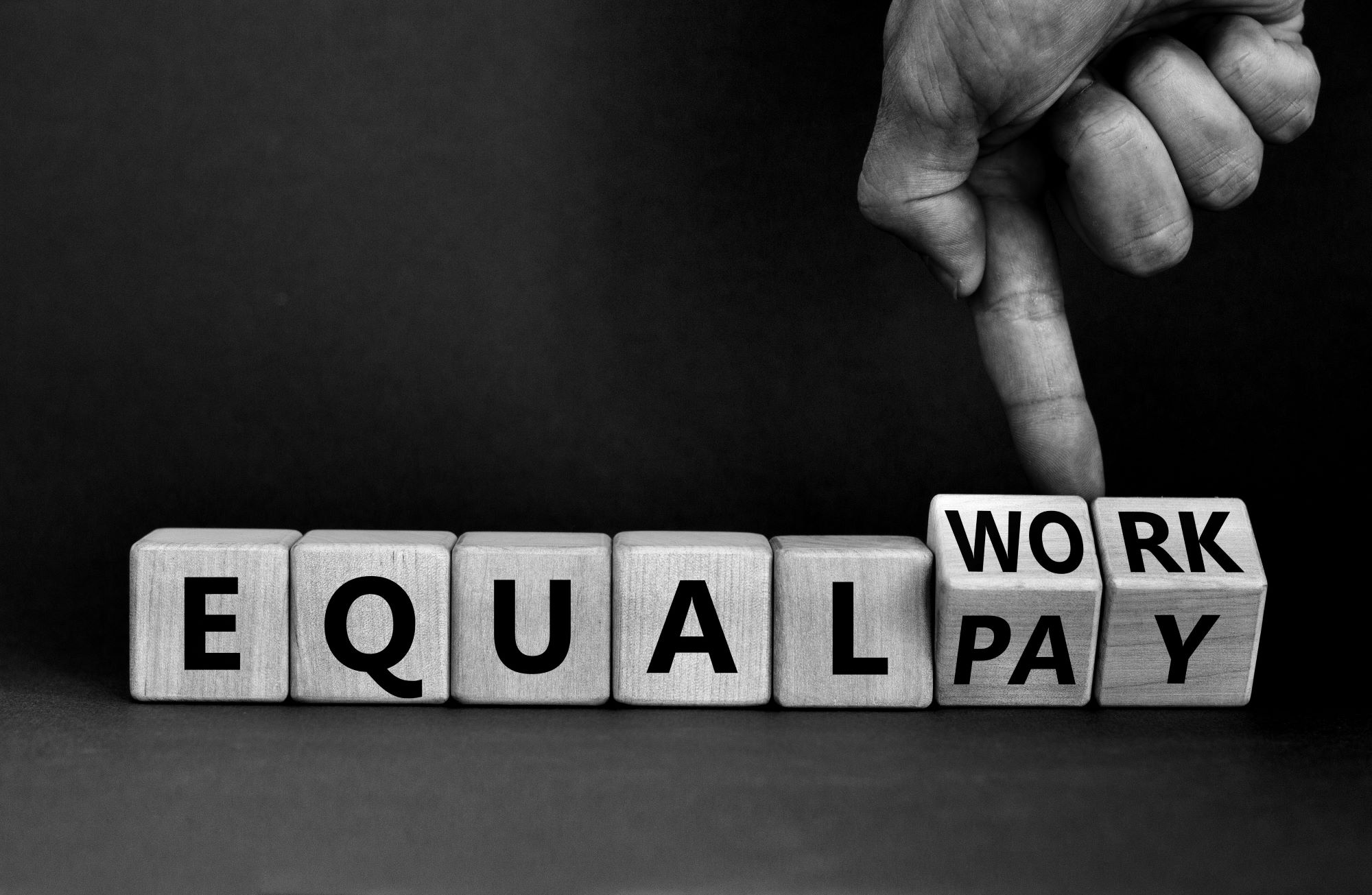
Equal pay laws are intended to address disparities in compensation and advancement opportunities. In Washington, the Equal Pay and Opportunities Act requires employers to provide equal pay for equal work and equal opportunities for advancement, regardless of gender.
The law also targets practices that historically contributed to pay disparities—such as reliance on prior salary or restrictions on wage transparency.
Request an Employment Case AssessmentHow Equal Pay Claims Arise
Equal pay issues can arise in a number of ways, including:
- employees performing substantially similar work but receiving different compensation
- differences in advancement opportunities
- compensation decisions influenced by prior wage history
- employer policies that limit transparency or discourage discussion of pay
In some cases, the issue involves a discrete compensation decision. In others, it reflects broader practices that affect multiple employees.
Key Legal Principles
Under Washington law:
- Employers generally may not ask about an applicant’s prior compensation
- Employers may not rely on salary history to justify discriminatory pay practices
- Employees are entitled to discuss wages and compensation
- Employers may not retaliate against employees for raising compensation concerns or requesting explanations
These protections are designed to ensure that compensation decisions are based on lawful and legitimate factors.
Evaluating an Equal Pay Claim
These claims often require analyzing:
- whether employees are performing substantially similar work
- how compensation decisions were made
- whether differences are supported by legitimate, non-discriminatory factors
- how pay practices are applied across employees or groups
As with other employment claims, the analysis depends on both the legal framework and the available evidence.
Individual and Broader Claims
Some equal pay claims involve a single employee. Others arise from compensation policies or practices that affect a broader group, creating the potential for coordinated or class-based litigation.
The appropriate approach depends on the structure of the employer’s practices and how the claim can most effectively be developed.
Other Avenues for Resolution
In addition to litigation, certain pay-related concerns may be addressed through administrative processes, including complaints to the Department of Labor and Industries.
Moving Forward
If you believe you have been treated differently because of a protected characteristic, it may be worth evaluating your situation more closely.
We assess discrimination claims by looking not only at the legal elements, but at how the case can be developed, positioned, and resolved in practice.
Request an Employment Case Assessment
Submitting a form allows our team to evaluate your situation and determine whether we can assist.
Request an Employment Case Assessment